
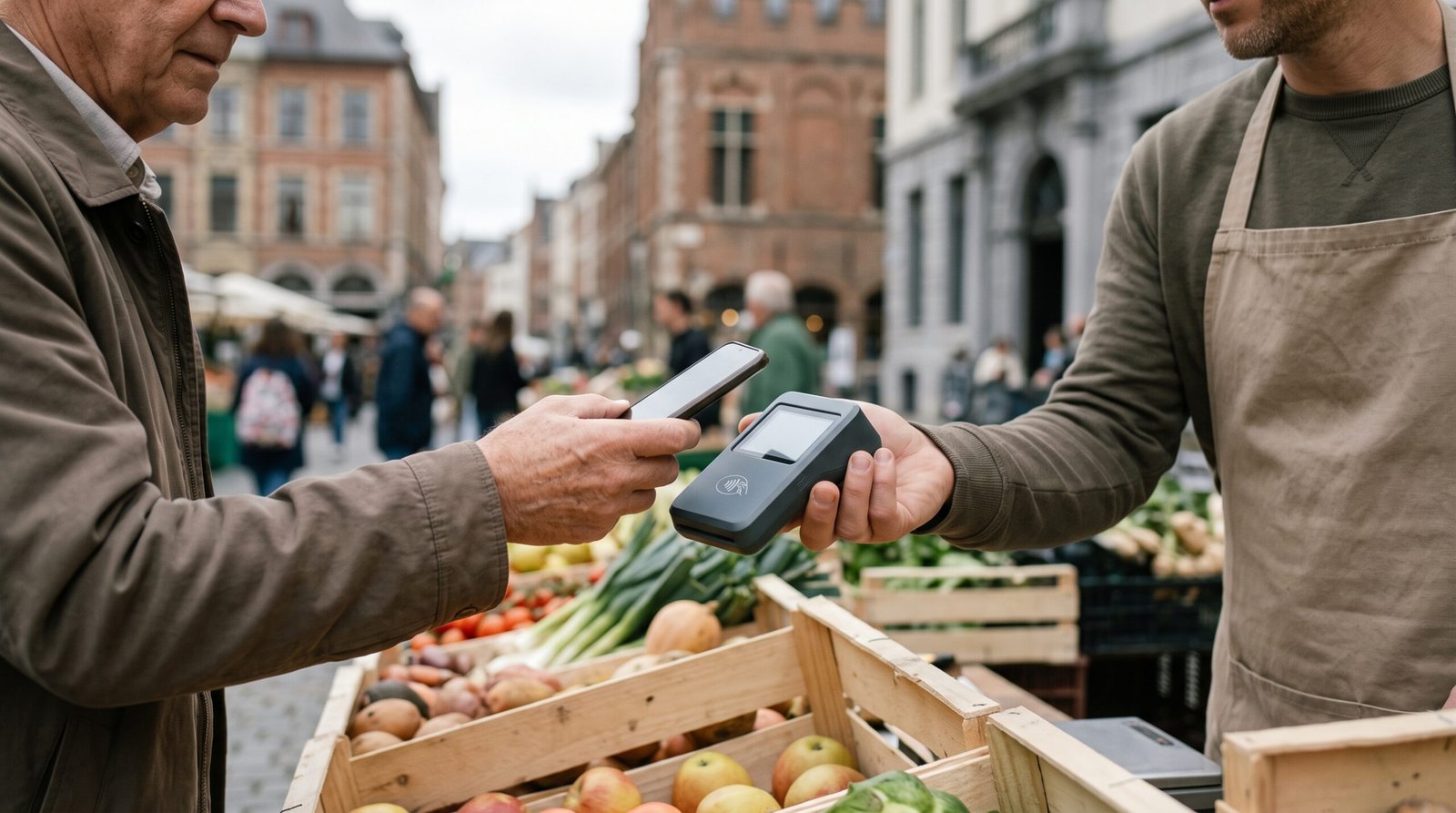
The offline digital euro is a special way to use the digital form of the euro that the European Central Bank plans to issue. It works like digital cash that you can store on your phone or a card. You load some money onto your device while you have internet. After that you can pay other people or shops by holding your devices close together even when there is no internet or phone signal. The money moves directly from one device to the other right away. No bank or central system needs to be involved at that moment. It is meant to feel as private and simple as handing over real cash.
As you know, when you make purchases with credit or debit cards, you need an internet connection. And others may be able to see the purchases or transfers you make. However, when this offline chip feature is integrated into your device, you can store money there and later use it for purchases and transfers without an internet connection. And if the other person or business also has the offline chip feature, only the two of you know that the spending has happened, and this information isn’t sent over the internet because the chip isn’t connected to the internet.
They are building this feature so that people can still pay with digital money when networks fail or in places where internet is weak. Cash use is falling while digital payments grow. The offline digital euro keeps a public form of money available for everyone in the euro area. It helps payments work during power cuts natural disasters or other problems. It also gives higher privacy for small everyday payments because only the payer and the receiver see the details. This supports Europe’s control over its own money system and makes the whole payment network stronger and more reliable for all citizens.
Criminal Issues
So, does this make “money washing” easier? Maybe yes, maybe no. Because after you wash the money, if you transfer it from the chip to your bank or credit card, that transaction could attract attention, so money washing isn’t actually easy. However, if you keep the money on the chip at all times, it doesn’t seem like there would be a problem. But since keeping the money on the chip without transferring it into the system doesn’t exactly mean you’ve washed the money, so there doesn’t appear to be a potential issue with the offline payment system at this time.
And to stop this possible problem, central banks add strict rules to the design. Devices will hold only a small amount of offline money at one time. You will not be able to store large amounts on your phone. Also, you must connect your device to the internet after a certain number of days to keep using it. These small limits make it very hard for criminals to move large amounts of secret money.
When will this happen
European leaders plan to launch the digital euro around the year 2029. They are now testing the technical systems and preparing the official legal rules. Before normal citizens can use it, lawmakers must approve every rule.
This chip system will not hurt the stock market or traditional banks. If people pulled all their savings from commercial banks to store on offline device chips, banks would lose money and stocks could drop. To prevent this danger, leaders will put a strict ceiling on each person. You will only be allowed to hold a small daily shopping balance on your chip. Because the limit is very low, bank deposits stay safe and the financial markets remain stable.

Could this system cause a problem like Protests?
People might still want this system because it solves very practical daily problems but at the same time, strong public pushback and protests are very possible. Many citizens love physical paper cash and worry that governments want to remove real money step by step. Others dislike strict rules and limits because they feel that state institutions control their spending power. If regular people feel forced to use electronic tools or lose their basic freedom, they can organize public street protests or refuse to download the official device wallets.
Can this CHIP be hackable?
This exact danger is one of the main worries for central banks. If someone breaks the security of a chip and fabricates fake money, they could try to spend millions of fake euros without anyone knowing right away. Because the hardware works without the internet, no remote computer checks the balance during the moment of payment.
To stop this danger, the system uses military grade secure hardware. The money does not sit in normal phone software. It lives inside a tamper-proof security chip, like the chip in high-end passport documents. If someone tries to open the chip or edit the code, the chip erases itself immediately.
Even if a master criminal finds a bug, the damage stays tiny. The chip has a hard limit that blocks any payment above a small daily sum. Also, the merchant device has its own limit and must connect to the internet to settle funds. The moment the receiving device touches the banking network, central bank computers spot the fake numbers and lock the bad device forever.