
AI Lab Flapping Airplanes Raises 1B Series A to Boost Silicon Efficiency
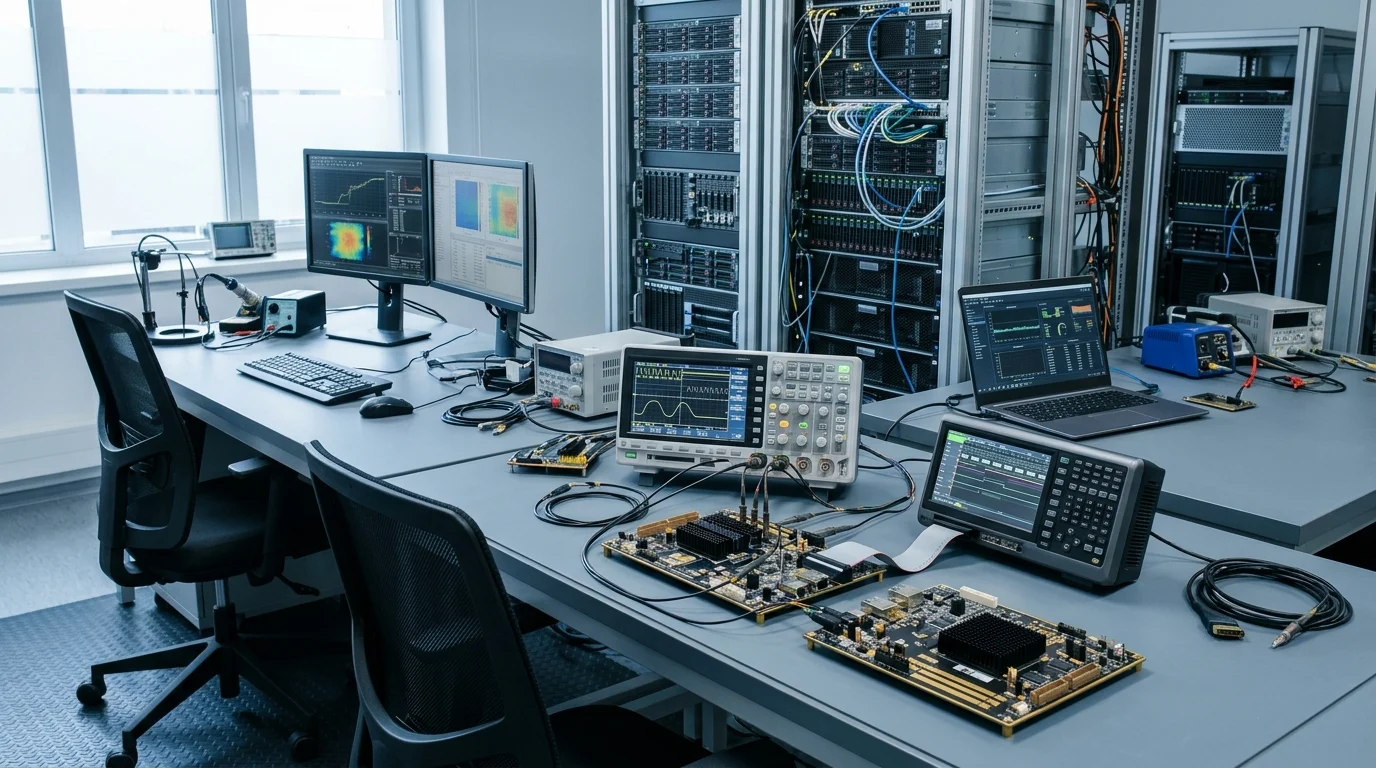
Artificial intelligence research laboratory Flapping Airplanes has secured one billion dollars in a Series A financing round that values the one-year-old venture at six billion dollars. The startup focuses entirely on maximizing computational efficiency across existing enterprise processor clusters. While public headlines dwell on the company’s rapid unicorn valuation, the core technical breakthrough addresses why modern hyperscale server clusters frequently operate at under forty percent real hardware capacity. The company draws its philosophy from early aviation pioneers who succeeded by studying aerodynamics rather than attempting to imitate flapping bird wings (from theinformation.com).
The Hardware Utilization Crisis in Modern Computing
Massive computing clusters deployed for neural network training suffer from severe internal communication delays and memory transfer friction. Even when enterprises purchase cutting-edge graphics processing units, actual mathematical performance often stalls while waiting for data to travel across memory buses. This computational delay is measured through Model FLOPs Utilization, which reveals that nearly sixty percent of theoretical processing power remains completely idle during heavy workloads. Addressing this internal data bottleneck represents an enormous opportunity to extract higher output without constructing additional physical server buildings.
Co-Designing Machine Algorithms with Silicon Physics
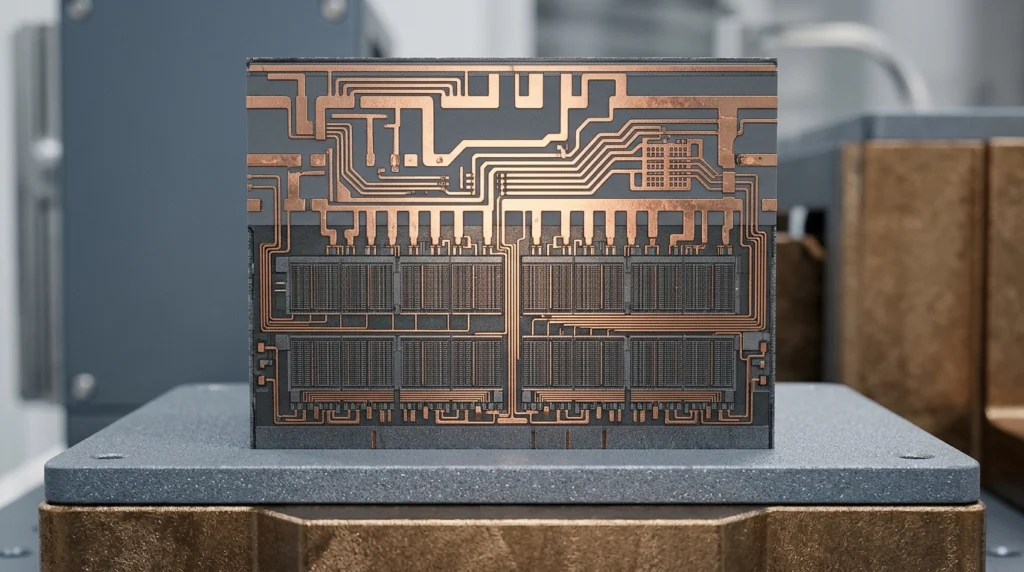
Traditional software development prioritizes generalized mathematical abstractions that treat the underlying processor silicon as a generic compute engine. Flapping Airplanes re-engineers deep learning algorithms around the specific physical constraints of microchip architecture, including on-die cache hierarchies and thermal dissipation thresholds. Rather than waiting years for semiconductor fabrication plants to introduce smaller transistor nodes, developers can redesign neural memory access patterns to fit current physical silicon. This hardware-aware algorithmic design dramatically shortens training turnaround times on currently installed server racks.
Decoding the Flapping Airplanes Philosophy
The company name reflects a profound historical principle regarding biological mimicry in technological progress. Early inventors wasted decades trying to build flying machines that flapped wings like birds, failing repeatedly because mechanical joints could not sustain biological motion. Modern aviation only succeeded when engineers embraced rigid airfoils governed by fundamental aerodynamic physics. Similarly, trying to force neural networks to copy biological human brains often conflicts with digital chip physics. Creating models tailored directly to silicon physics unlocks unprecedented operational performance.
Kernel Optimization Against Raw Hardware Scaling
Developing low-level software kernels tailored to specific chip registers allows software engineers to bypass bloated general-purpose programming frameworks. By optimizing memory movement at the bare-metal instruction level, research labs can achieve significant speedups on existing enterprise infrastructure. This software-first efficiency reduces reliance on frequent hardware replacement cycles, allowing businesses to extend the productive lifespan of expensive computing clusters. Maximizing existing silicon capacity provides immediate cost relief across capital-intensive engineering organizations.
Long-Term Energy Implications for Global Data Centers
Doubling effective chip utilization has profound ramifications for global energy consumption and corporate data center planning. If enterprise software extracts twice as many computational operations from existing chip installations, overall electrical utility demand and cooling requirements can stabilize. Hardware-aware model architectures may eventually render current brute-force training methodologies obsolete, allowing sustainable technological innovation to proceed without overwhelming global electrical grids.