
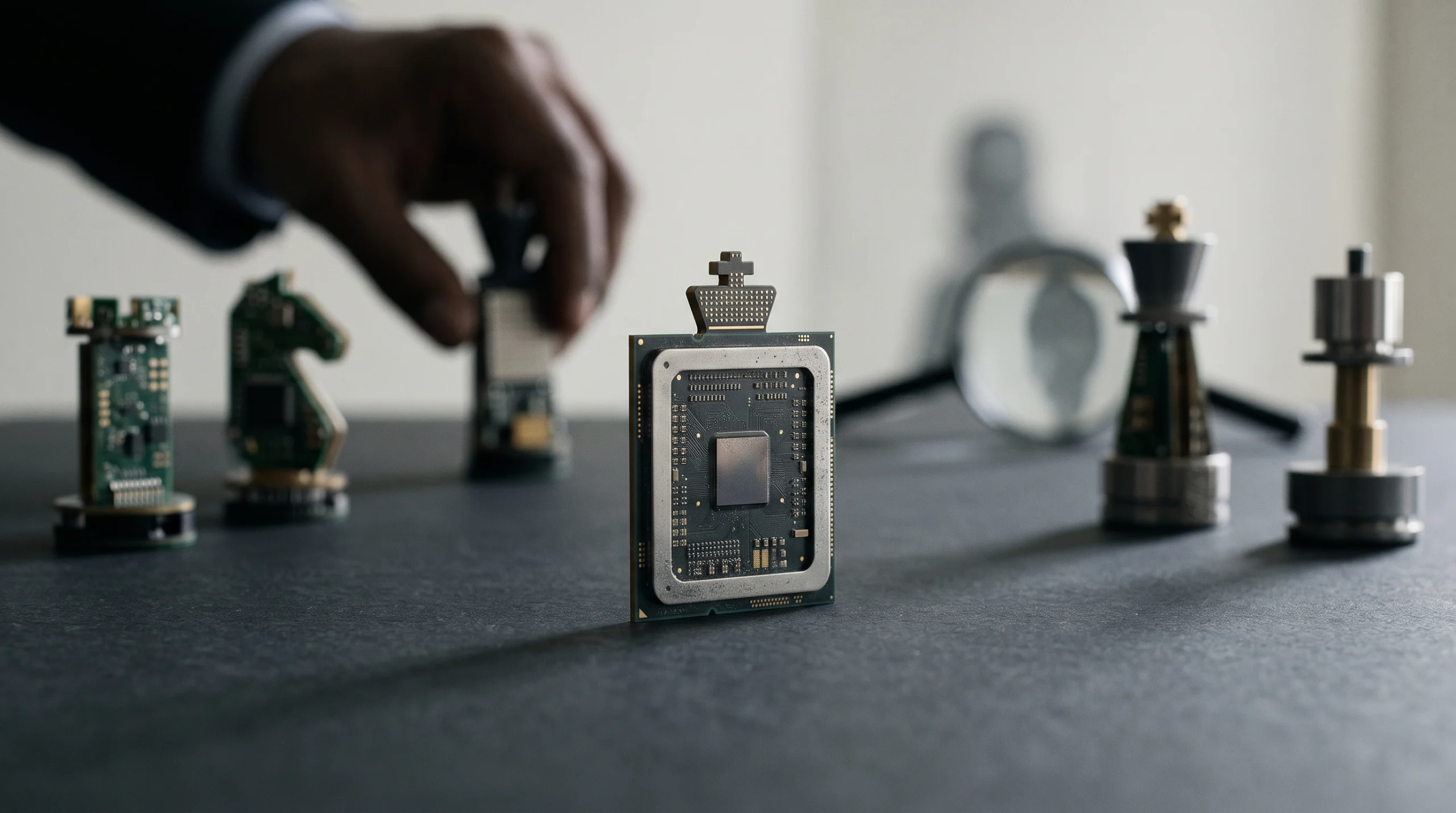
Federal law enforcement agencies conducted an extensive investigation into foreign intelligence operations specifically targeting top leadership at Nvidia, including its chief executive officer. News publications widely covered the story as an isolated espionage thriller. In reality, the revelation signals a historic transformation in global technology governance, showing how international export controls have shifted strategic competition from physical silicon machinery directly to corporate executives.
From Silicon Embargoes to Human Targets
For several years, Western governments maintained rigorous export controls prohibiting the delivery of cutting edge extreme ultraviolet lithography equipment and high performance computing silicon to foreign competitors. When physical shipping restrictions successfully closed hardware supply routes, foreign state intelligence services redirected resources toward key corporate decision makers. Obtaining internal architectural roadmaps, packaging secrets, and confidential supply contracts directly from senior engineers and executive leaders bypasses complex customs inspections entirely, making human intelligence operations a primary vector in semiconductor competition.
Executive Dependence and Governance Disclosures
Nvidia astronomical multitrillion dollar enterprise valuation is heavily tied to the personal strategic vision of its long term founder and leader. In standard regulatory filings with the Securities and Exchange Commission, corporations routinely disclose key person risk. Key person risk is the business danger that an organization will suffer significant financial damage if a critical executive becomes unable to perform their duties. Traditional corporate filings treated this risk merely as health issues or ordinary career retirement. The reality of state sponsored intelligence targeting proves that existing investor disclosure frameworks are not designed to price geopolitical threats against executive personnel.
The Security Transformation of Technology Boardrooms
To defend against sophisticated state intelligence collection, Silicon Valley technology firms are transforming internal corporate facilities into secure government grade workspaces. Major hardware manufacturers are constructing physical sensitive compartmented information facilities inside corporate headquarters. A sensitive compartmented information facility is an accredited enclosed room specifically engineered to prevent acoustic eavesdropping and electronic surveillance. Managing these high grade facilities and maintaining private counter intelligence personnel has created substantial new fixed security expenditures on corporate balance sheets.
Technology Leaders as Sovereign National Assets
As advanced computing infrastructure becomes fundamental to national security, prominent technology executives will increasingly be treated as sovereign strategic assets. Corporate boards are already adjusting executive mobility protocols, placing strict limitations on international travel schedules and public conference appearances. In addition, commercial insurance providers are reevaluating Directors and Officers liability policies to reflect state level risks. Technology enterprises should maintain comprehensive succession planning frameworks to ensure operational continuity under any unexpected organizational challenge.