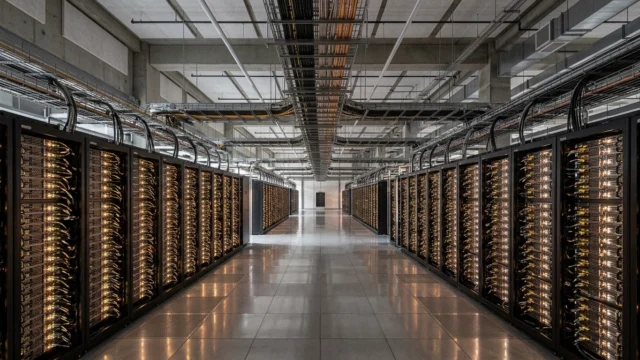
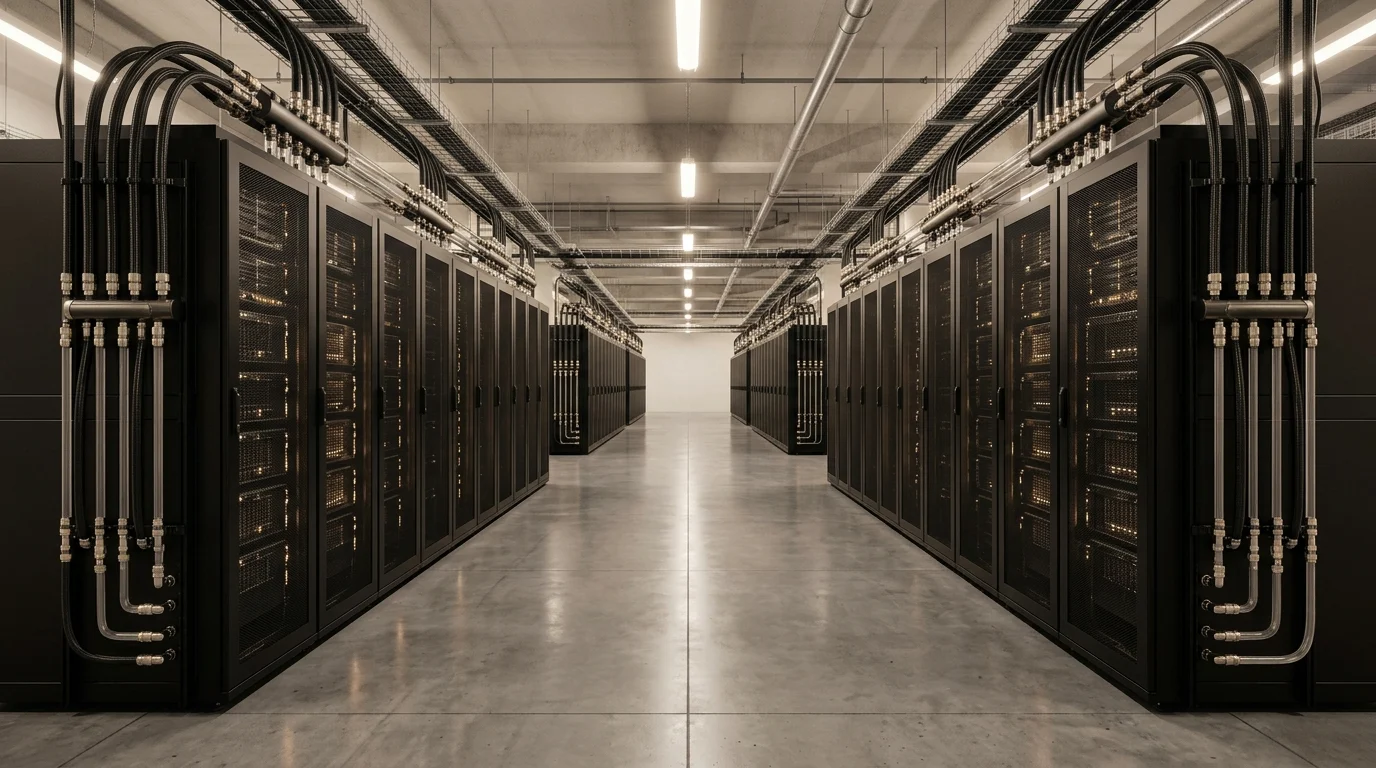
Technology giants are facing intense market pressure as massive capital expenditure on artificial intelligence infrastructure begins to strain corporate profitability. Meta and other prominent tech leaders experienced sharp share price declines following quarterly announcements of accelerating data center expenditures. While headline commentary focuses entirely on short-term market reactions to rising costs, the underlying financial tension stems from the ticking clock between immediate hardware spending and future depreciation charges (from reuters.com).
The Depreciation Time Bomb in Tech Accounting
Modern artificial intelligence computing clusters rely on high-performance graphics processing units that experience rapid technological obsolescence. Unlike traditional data center buildings that depreciate over twenty years, specialized server chips lose operational efficiency within three to five years. When enterprise balance sheets log billions in capital equipment today, that cost does not hit earnings immediately. Instead, those purchases translate into substantial non-cash depreciation charges that will compress corporate operating margins continuously through 2029.
Builders Against Renters in Compute Strategy
Market participants are observing a divergence in corporate infrastructure models between self-funded hyperscalers and venture-backed research laboratories. Meta pursues an owned-asset strategy, deploying substantial free cash flow into proprietary land acquisition, specialized electrical substations, and internal hardware designs. Conversely, firms like Anthropic rely heavily on multi-billion dollar long-term cloud rental commitments. While renting provides flexibility during architectural shifts, long-term contractual commitments function as off-balance-sheet liabilities that demand steady commercial revenue regardless of macro conditions.
Separating Model Improvements from Auction Inflation
Technology executives frequently credit proprietary generative algorithms for accelerating digital ad revenues. However, financial analysts struggle to separate genuine conversion improvements from broad auction price inflation across digital marketing networks. When ad prices rise across saturated commercial feeds, attributing performance solely to neural recommendation engines masks the natural ceiling of user attention. Advertisers must carefully verify whether algorithmic targeting delivers incremental sales or merely commands higher bidding tolls for existing audience volume.
Vendor Financing in Modern Data Centers
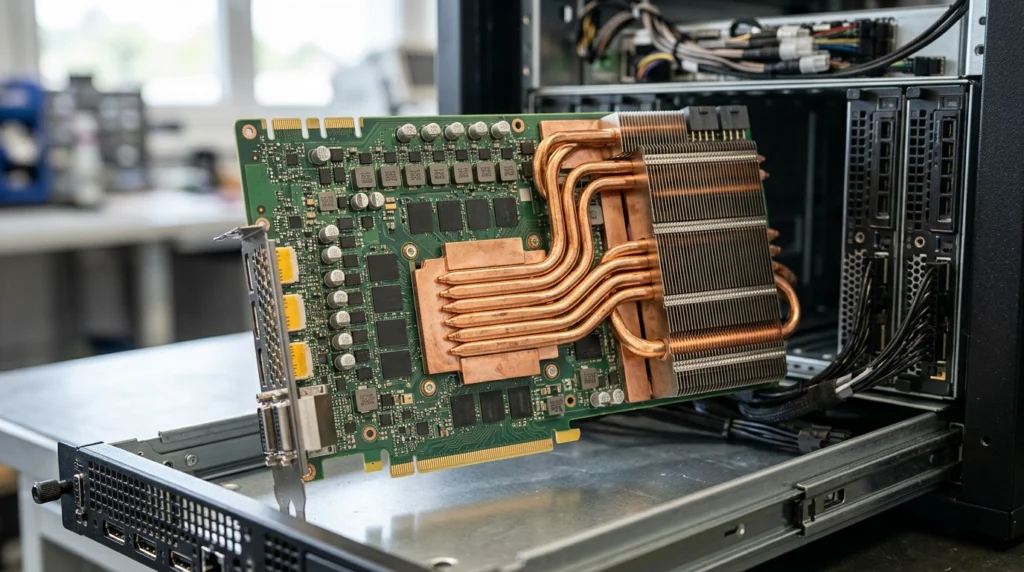
The race to secure cutting-edge computing capacity has created intricate financial relationships between hardware manufacturers and data center operators. Dominant semiconductor producers frequently invest directly in generative software startups, which then spend those exact proceeds purchasing specialized server components. This circular dynamic, known as vendor financing, supports hardware backlogs while concentrating financial risks across a tightly interconnected tech ecosystem. If commercial demand cools, both hardware providers and software builders face immediate balance sheet adjustments.
From Share Buybacks to Server Racks
For over a decade, leading tech firms operated as dominant capital-return vehicles, returning surplus cash to shareholders through record share repurchases and new dividends. The current computational buildout marks a clear pivot away from financial engineering toward tangible balance sheet reinvestment. Capital that previously supported per-share earnings growth now funds cooling facilities, optical networking switches, and high-voltage power lines. Value investors must adapt to lower cash distributions as tech firms prioritize infrastructural scale over immediate capital return.
The Return on Invested Capital Reckoning
The ultimate health of the enterprise AI sector depends on achieving a sustainable return on invested capital. Deploying tens of billions annually requires enterprise software monetization at an unprecedented scale. If automated software agents and consumer tools fail to generate high-margin recurring subscriptions, corporate return metrics will decline. Over the next decade, only operators with diversified cash cows and superior operational efficiency will comfortably withstand the inevitable normalization of global compute investment.