Electric vehicle manufacturer Tesla experienced a noticeable market selloff after lowering its forward annual capital spending projections. Market commentators quickly raised concerns regarding whether the reduction signals a retreat from ambitious autonomous driving and humanoid robotics timelines. While public debate treats the five-billion-dollar forecast adjustment as a direct pullback on technical innovation, industry supply dynamics indicate that physical infrastructure bottlenecks and improved procurement terms played a defining role in the revision (from wsj.com).
Supply Bottlenecks Against Reduced Innovation Demand
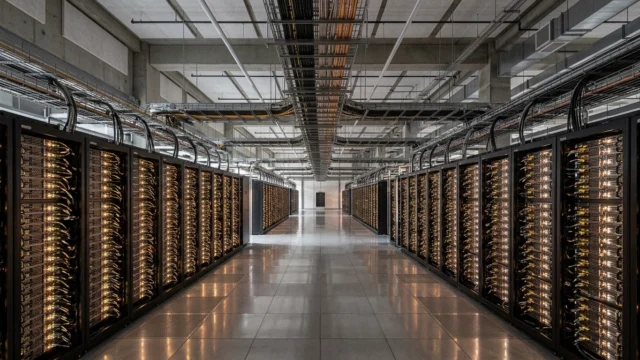
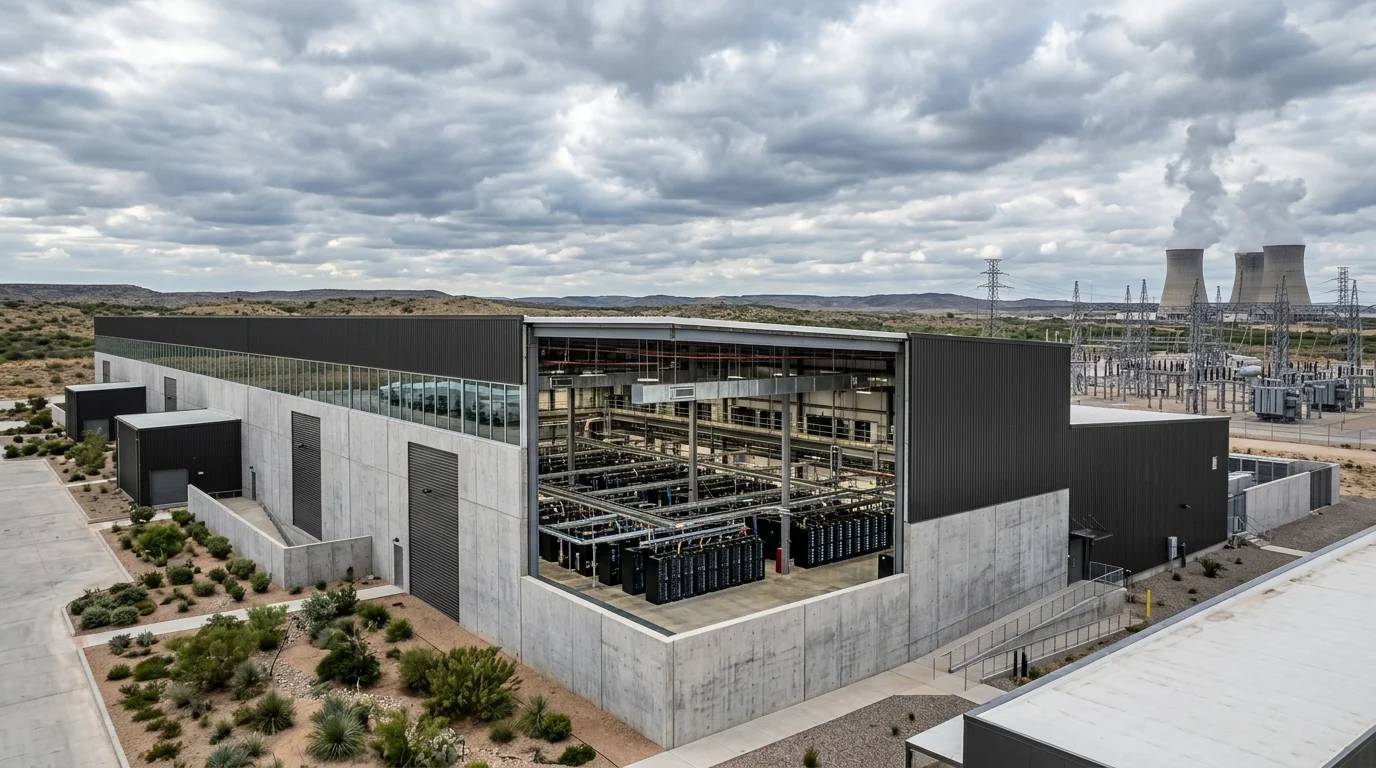
Constructing multi-gigawatt computing facilities involves complex real-world dependencies that extend beyond purchasing silicon processors. Installing advanced training clusters requires specialized electrical transformers, extensive regional power grid approvals, and custom liquid cooling systems. When utility interconnections experience multi-month delays, server deployments are paused regardless of available capital reserves. Rather than abandoning algorithmic development, spending revisions often reflect real-world installation schedules where physical hardware delivery must match local utility readiness.
The Cash Flow Valuation Dilemma
Equity markets have exhibited contrasting standards when valuing tech megacaps during the current technological expansion. In the same reporting period where peer platforms faced investor skepticism for accelerating cash burn, Tesla experienced negative market sentiment for lowering near-term outlays. This dynamic highlights Wall Street’s volatile expectations, where investors demand both aggressive infrastructure commitments and disciplined operating cash margins. Balancing free cash generation with long-range research allocations remains a persistent challenge for leadership teams across high-growth industries.
Compute Efficiency in Physical AI Training
Autonomous physical systems utilize distinct training architectures compared to conventional text-based large language models. While internet chatbots process discrete token streams across massive server clusters, autonomous vehicles rely on continuous video feeds and spatial sensor telemetry. Visual models benefit significantly from custom neural network designs that process video streams with optimized memory access patterns. Achieving state-of-the-art vision models often depends more on high-fidelity training data curation than on assembling uncoordinated, oversized server farms.
Capital Allocation Between Tooling and Compute
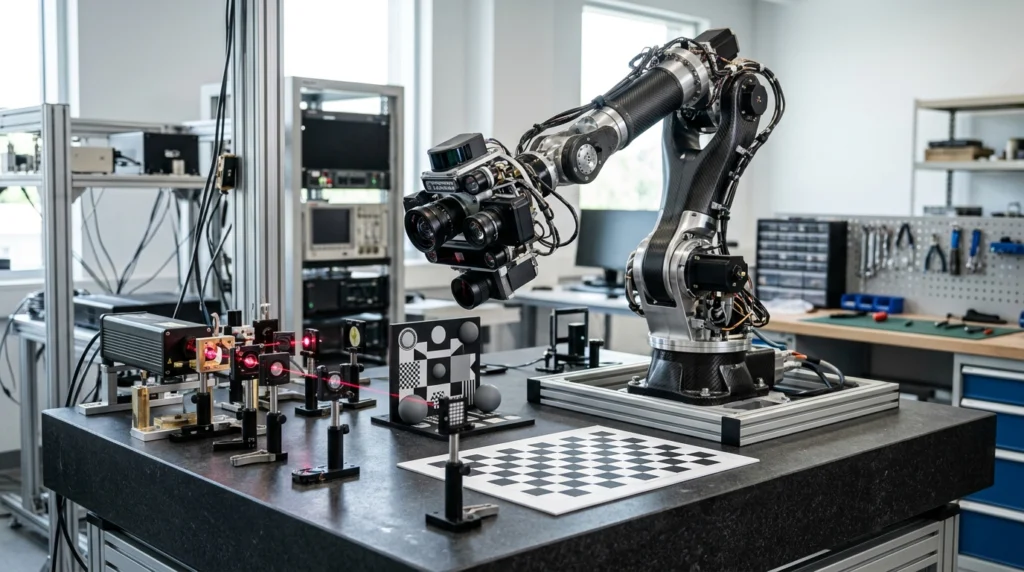
Corporate financial statements reveal that capital allocation is constantly balanced between factory automation lines and centralized data centers. Modern vehicle manufacturing requires significant capital outlays for high-tonnage casting presses, battery manufacturing equipment, and assembly robotics. When macroeconomic conditions temper broad consumer vehicle demand, automotive leadership can trim factory tooling lines while maintaining dedicated funding for self-driving neural networks. Dissecting balance sheet line items helps investors separate cyclical vehicle production adjustments from long-term software investments.
The Shifting Multiples of Autonomous Platforms
Automotive manufacturers that incorporate artificial intelligence face fluctuating valuation benchmarks across public equity markets. When investors treat a business primarily as a hardware manufacturer, valuation multiples reflect cyclical consumer demand and capital-heavy assembly margins. Conversely, classification as a pure software ecosystem commands higher valuation premiums tied to recurring licensing cash flows. Clarifying long-range development milestones is essential to preserve investor confidence and establish consistent valuation frameworks.
Future Catch-Up Cycles in Hardware Infrastructure
Deferred capital expenditures rarely eliminate future spending obligations in fast-moving engineering sectors. Postponing compute cluster acquisitions in the current fiscal period often creates an accelerated spending requirement in subsequent calendar years. As high-voltage regional power substations come online, enterprise tech teams must rapidly scale hardware deployments to avoid compute backlogs. Companies that manage cash reserves prudently during supply pauses remain well-positioned to scale hardware assets efficiently when physical bottlenecks clear.