
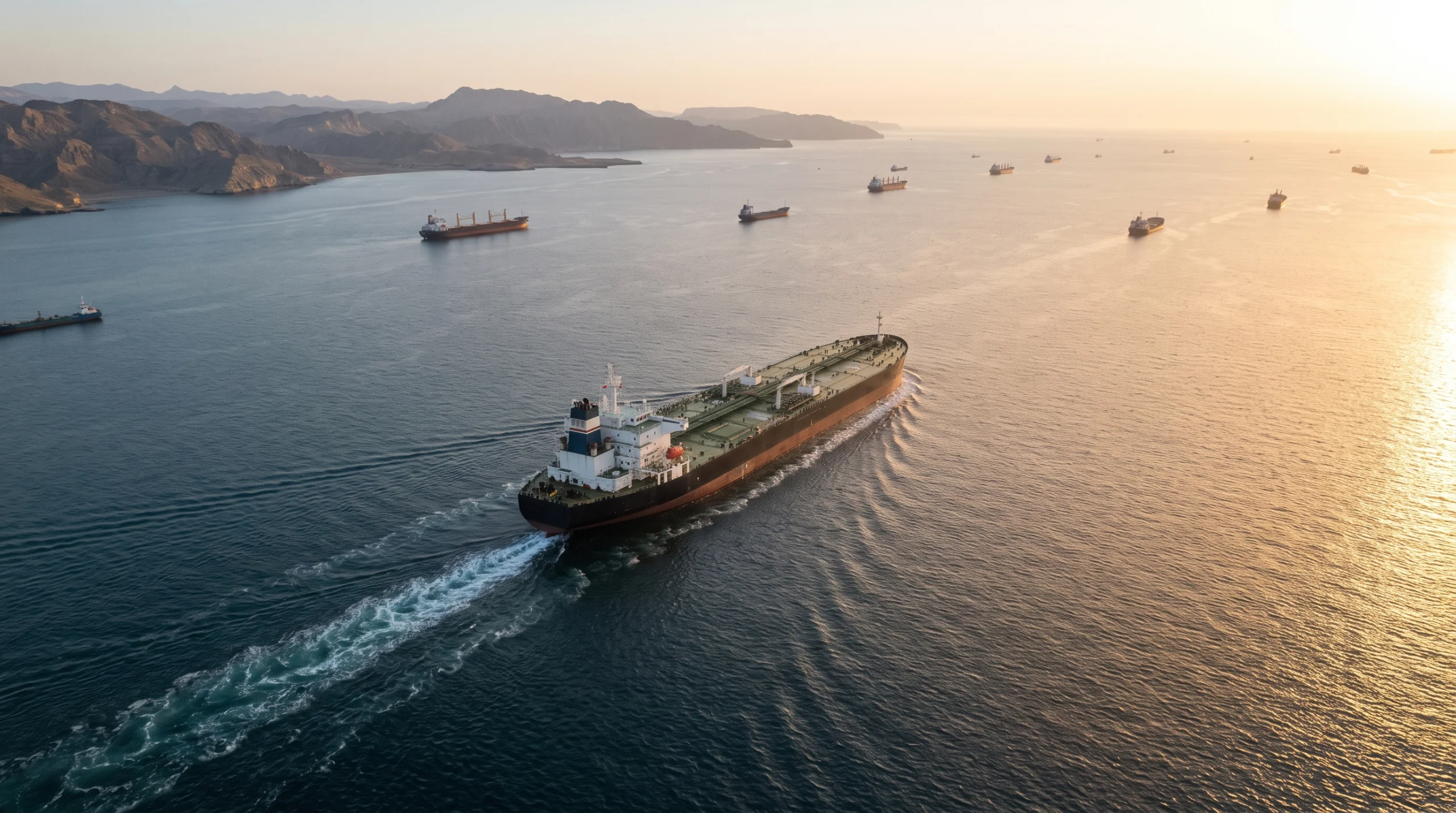
Hormuz oil refers to the millions of barrels of raw fuel that travel every single day through the Strait of Hormuz, a narrow sea passage in the Middle East. Countries all around the world buy this oil to make gasoline for cars, fuel for airplanes, and power for factories. This topic is in the news because Iran reported that naval mines halted three large oil ships, and a drone strike hit a major Saudi Aramco oil field. Naval mines are explosive devices placed in the water to block or damage passing ships, while a drone is a small aircraft that flies without a human pilot inside. Because of these security risks, Brent oil has climbed to 110 dollars a barrel and WTI oil has reached 98 dollars a barrel. Brent and WTI are simply the two main price labels that traders in Europe and America use to set the standard price of raw oil around the world. (from Trading Economics)
The Hidden Details That Headlines Skip
When you read scary headlines about blocked ships and rising oil prices, it is completely natural to feel concerned, yet you can rest easy knowing that the world still has plenty of fuel flowing to keep your daily life running normally. What most news stories forget to explain is that oil prices often jump because of the hidden costs of moving the fuel rather than an actual shortage of oil in the ground. First, every ship needs shipping insurance before it can sail. Shipping insurance is a safety contract where an insurance company promises to pay for the ship and its cargo if an accident or attack happens at sea. When a sea route becomes dangerous, insurance companies charge massive extra fees for a single trip. Second, mine clearing takes a very long time because special navy vessels have to slowly scan the deep water mile by mile to find and remove hidden explosives safely. Because ships have to wait in line or take longer routes, tanker rates shoot up immediately. Tanker rates are the daily rental fees that energy companies pay to hire a giant ship to carry their fuel across the ocean. If you want an easy way to keep your own budget comfortable while shipping costs are high, you can combine your weekly shopping trips to use less car fuel and seal any cold air leaks around your home windows.
How Heating Costs and Emergency Backups Are Connected
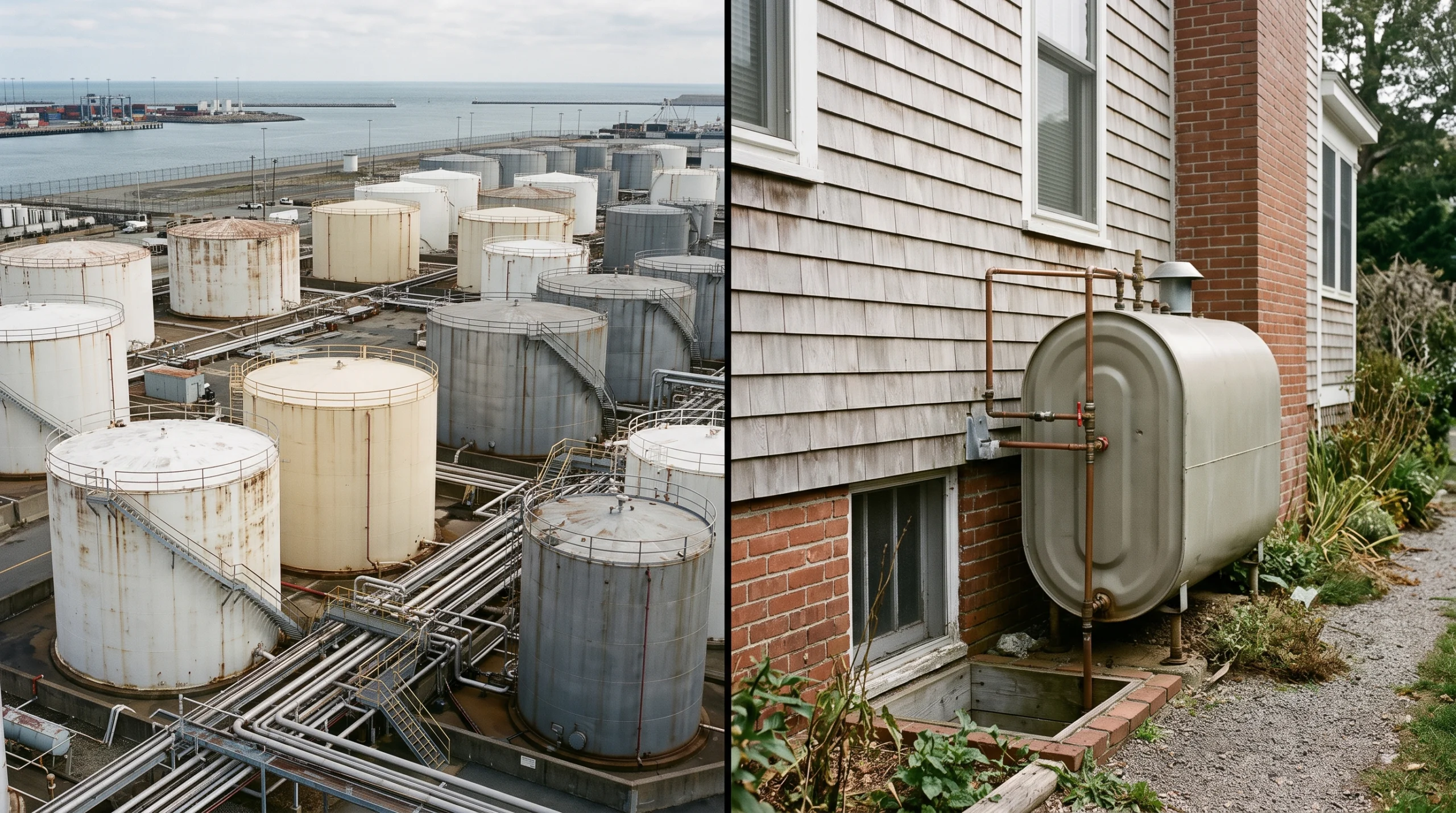
These shipping delays also affect other fuels and national backup supplies. Heating oil is up about 113 percent year on year, which means the price has more than doubled compared to the exact same time last year. Heating oil is a liquid fuel made from raw oil that many families burn in home boilers or furnaces to keep their houses warm in the winter. At the same time, the United States Strategic Petroleum Reserve dropped below 300 million barrels in August. A strategic petroleum reserve is a giant underground storage system of emergency oil that a government saves to protect its citizens during a sudden fuel crisis. Because this emergency storage is lower than it used to be, governments have less spare oil to release into the market to bring prices down quickly.
How Energy Trade Will Change in the Future
Looking ahead, these repeated shipping troubles are pushing the world toward a permanent rerouting of energy trade. Instead of trusting one narrow sea passage that can easily be blocked during an argument between countries, energy buyers are starting to use new overland pipelines and sign long term contracts with oil producers in safer parts of the world. Over the coming years, changing these trade routes for good will make global fuel deliveries much safer and prevent sudden price shocks from affecting your wallet.