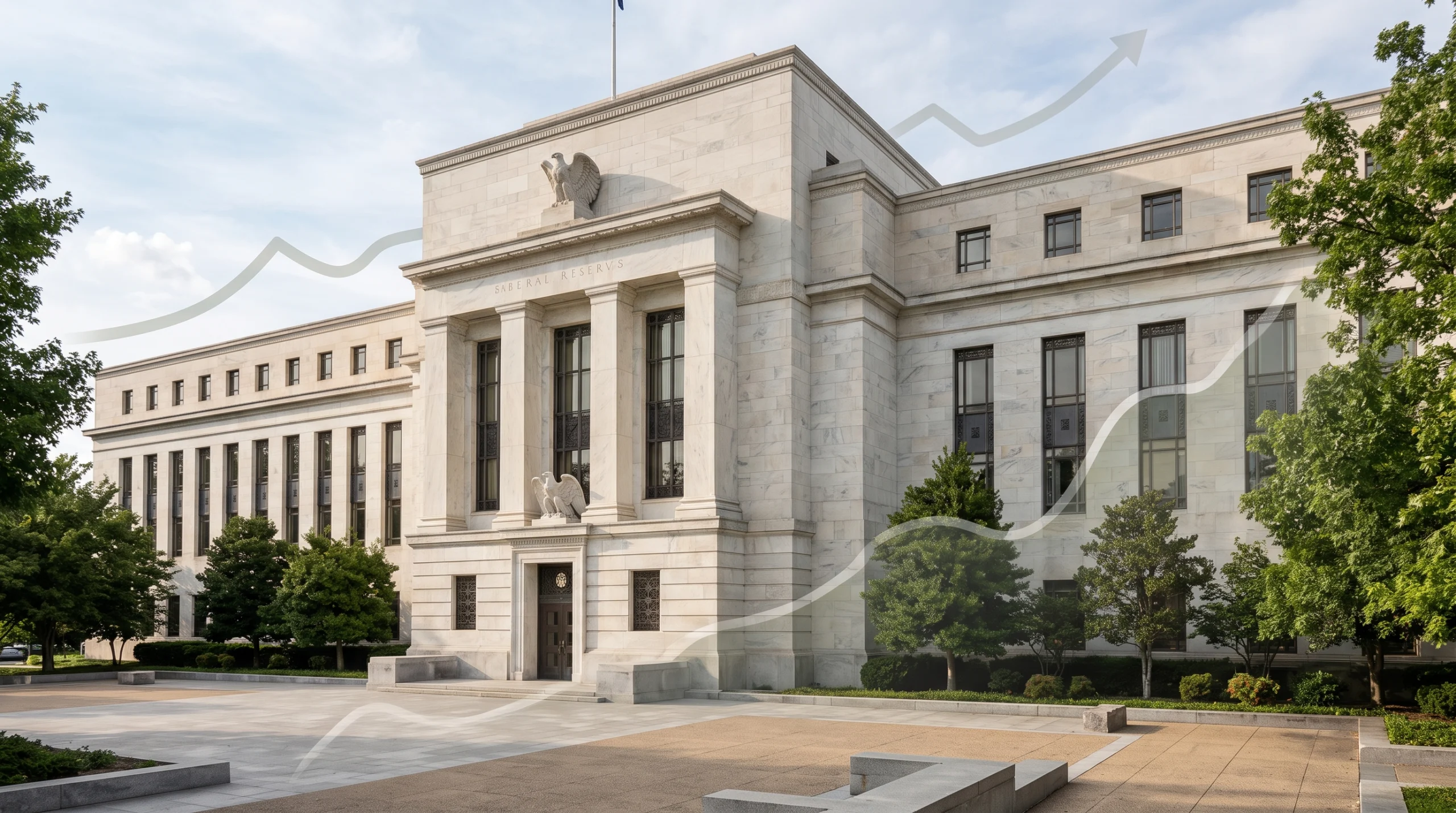
A Fed rate hike happens when the central bank of the United States makes it more expensive to borrow money. The central bank is called the Federal Reserve, or the Fed for short. They do this to control inflation. Inflation is a word that means the prices of everyday things like food and clothes are going up too fast. In September, the Fed raised the borrowing rate to a range between 3.75 percent and 4.00 percent. Financial markets expect the Fed to pause and keep rates the same during their meeting on October 27 and October 28. However, traders believe there is an 85 percent to 94 percent chance that the Fed will raise rates again in December. (from Reuters.com)
Oil Prices and Changing Loans
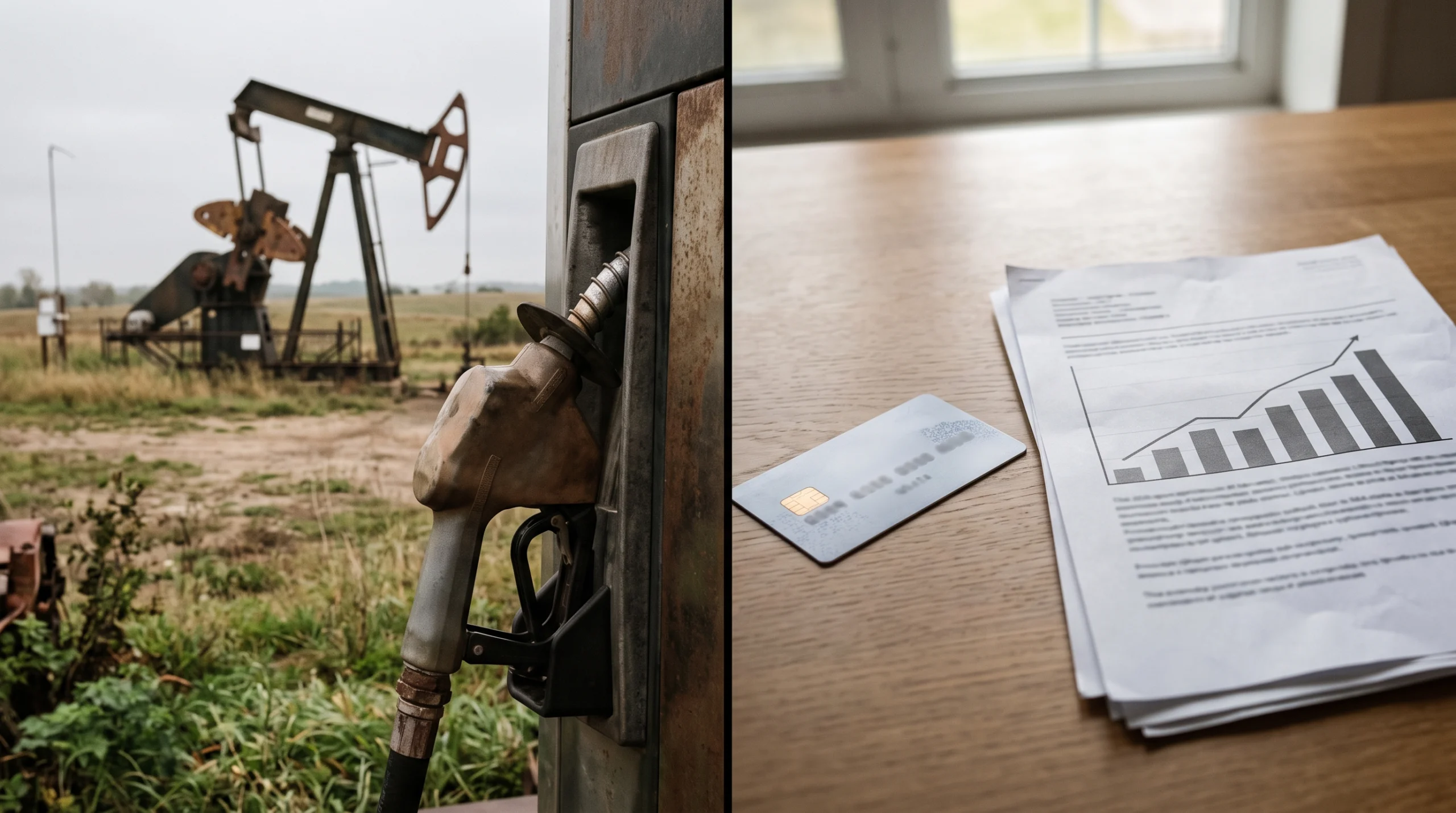
You might wonder why the bank wants to make borrowing harder when people are not even shopping too much. Right now, prices are mostly going up because oil and fuel are expensive, not because families are buying too many things. Raising rates cannot create more oil, so this feels confusing. The Fed is still doing this because high oil prices make it cost more for trucks to deliver food and goods to stores. The central bank is afraid that store owners will keep raising their prices to cover fuel costs, and that workers will ask for higher pay just to survive, creating a cycle of rising prices that never stops. They want to slow down the whole economy just enough to keep that cycle from starting.
This situation is very important if you have a variable rate loan. A variable rate loan is a type of debt where the interest you pay goes up or down whenever the central bank changes its rates, which is common with credit cards and some home loans. When a rate hike happens, the monthly bill for this kind of loan gets bigger right away. Please do not panic if you have this kind of debt, because you are not alone and there are simple ways to protect your wallet. To stay safe and comfortable, try to pay down your credit card balances first or ask your local bank if you can switch your loan to a fixed rate that never changes.
PCE Data and Divided Leaders
To decide their next move, the leaders at the central bank look closely at something called PCE data. PCE stands for Personal Consumption Expenditures, and it is simply a monthly report card that shows how much money people are spending on goods and services. Even with this report card, the people in charge do not always agree on what to do next. We know this because of the Fed minutes. Fed minutes are the official written notes released a few weeks after a meeting that show what the leaders argued about. Recent notes show the leaders are divided, as some want to raise rates quickly to stop price increases while others worry about hurting jobs. Right before their big October decision, you will not hear any of them talk on the news because of the communications blackout. A communications blackout is a strict rule that stops central bank leaders from speaking in public for about ten days before a meeting so they do not confuse or scare the public.
Higher for Longer Through 2027
Financial experts use the phrase higher for longer to describe what will happen over the next year. This means the cost of borrowing money will not come back down anytime soon, and rates will likely stay high all the way through the year 2027. For your household budget, this means loans for big things like cars and houses will stay expensive for the next couple of years. However, there is a bright side for families who save money, because banks will also pay you extra money just for keeping your cash in a savings account. You can keep your family budget strong through 2027 by waiting a little longer to buy big items on credit and putting any extra coins into a safe savings account that grows your money for you.